Friday, December 9, 2011

D3 Vitamin

The suns sets early these days, bringing longer nights, more darkness and less vitamin D3.

Vitamin D3 is essential to the human body. Without it, our bones become porous, our immune systems compromised, and for some of us, our moods low, often referred to as Seasonal Affect Disorder (SAD).

Vitamin D3 is so important, that our bodies make it when exposed to the suns UVB rays.

I am not a big proponent of vitamins and supplements. I believe that food is the body's best medicine and source of fuel, and that by eating a diet of "real" foods, nature can provide you with all that you need.

There are a few vitamins that I think are essential to supplement ~ one of those being Vitamin D3.

There is much controversy about vitamins these days, especially D. Different research, by different groups, under different circumstances, produces different results. So, for me, a lot of research and self-intuition, brings my answers.

"Vitamin D Deficiency" has been linked to many illnesses, like cancer, osteoporosis, crohn's disease, heart disease, depression, Alzheimer's and many more. When people with these illnesses start increasing their D levels, they begin to feel better.

Like myself, I have met many people who feel the affects of SAD in the winter months and find that when they begin to take vitamin D3, they feel better. I am no longer affected by SAD. I am positive it is due to my daily D3 intake along with my change in diet, exercise and sleep patterns.

Here is what you need to know about vitamin D.


Vitamin D is essential to the human body because it:


  • Regulates Calcium and Phosphorus levels in the blood
  • Aides in Calcium Absorption and Bone Growth, protecting against Osteoporosis and bone fractures. Without it, we do not absorb Calcium.
  • Regulates the Immune System to keep the body healthy and strong
  • Increases Serotonin levels, the feel good hormone


How do we get vitamin D?

The Sun ~ In 10-20 minutes (to turn your skin pink) the skin absorbs UVB rays, turning them into Vitamin D3. Full-body summer sun exposure results in about 10,000 (IU).
Oral Vitamin D3 Supplements. Vegetarians and Vegans can take D2, but it is not the same as what is produced by the human body. It is a fungal production.
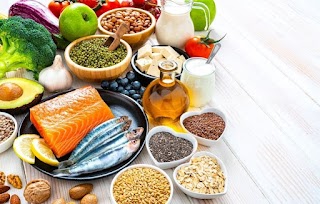
Oily fish like salmon, herring, sardines & halibut; cod liver oil; and shitake mushrooms. Fortified milk and processed foods contain synthetic D and are not good sources.
A common myth about Vitamin D3 ~ exposing your face and hands to the sun gives you enough Vitamin D3. Research shows that more of your skin needs to be exposed to the UVB rays.

Here on the East Coast, UVB rays are at their strongest in the summer months, between 10am and 12noon, when the sky is high above us in the sky.

Why are we not getting enough Vitamin D?

Time of day, seasons and latitude determine amounts of UVB rays that reach our skin.
Sunblock ~ blocks out the essential UVB rays.
Skin type ~ the darker the skin, the longer it takes for the UVB rays to be absorbed.


How much Vitamin D do I need?

Have your physician perform a 25(OH)D test to have your blood levels checked.
Normal levels are between 50-70 ng/ml.
The Vitamin D Council recommends 1000 (IU) for healthy infants and children and 5000 (IU) for healthy teens and adults.
Colin and I take 800 (IU) and 4000 (IU) Carlson D3 Drops, respectively. It is very easy. This past summer, we stopped taking them since we were out in the sun often, and we both got sick. So, now we are back on track with our daily Vitamin D3. So far so good!

What about Vitamin D Toxicity? Apparently that is quite rare. If you have your blood levels checked every 6 months, and are within the healthy ranges, you will be fine.

Make sure you are not Magnesium Deficient. Vitamin D requires magnesium to turn it into a usable form in the body. Taking vitamin D supplements, while you are deficient in magnesium, can cause mild to severe heart palpitations.

As with any vitamin supplementation, it is important to have your blood drawn and analyzed by your doctor. Then you will know which vitamins you need to take and which ones you do not.

If you are deficient in any areas, try to focus on your diet as well. Your body knows what to do with nature's nutrients better than man made ones.

It is also important to make sure that the supplements you are taking do not interfere with any ailments or medications.

Are you taking vitamin D? Can you share your experiences, good or bad?

Happiness and Health for the Holiday Season! Thanks for reading!

For more information on vitamin D, please visit the Vitamin D Council and the Harvard School of Public Health.


Source: http://ridgewood.patch.com/articles/did-you-take-your-vitamin-d3-today

Wednesday, November 9, 2011

Vitamin B reduces work stress

Increasing your Vitamin B intake could significantly reduce work-related stress, a clinical trial conducted at Swinburne University of Technology has shown.

The results of the three-month trial, where participants were given a course of either high dose vitamin B supplements or a placebo, have been accepted for publication in the journal Human Psychopharmacology.

According to study leader Professor Con Stough, at the beginning of the trial the researchers assessed sixty participants against factors such as personality, work demands, mood, anxiety and strain, and then re-evaluated them at 30 and 90 days.

“At the end of the three-month period, those in the Vitamin B group reported much lower levels of work stress than they did at the beginning of the trial,” he said. “In fact, participants experienced an almost 20 per cent improvement in stress levels.

“On the other hand, those in the placebo group showed no significant change.”

While this was the first study of its kind, Professor Stough said that the results were perhaps unsurprising, given the important role Vitamin B plays in cognitive function.

“Vitamin B, which is found in whole unprocessed foods such as meat, beans and wholegrains, is integral to the synthesis of neurotransmitters critical to psychological wellbeing,” he said. “But the reality is that many people don’t get enough Vitamin B from their diet, so they are turning to vitamin supplementation.”

With occupational stress increasing in Australian society, Professor Stough said that it is having a significant impact on individuals, organisations and the community.

“Anything we can do to reduce work-related stress is a good thing,” he said. “By lowering stress, we also lower the risk of health problems such as cardiovascular disease, depression and anxiety.

“And from an organisational perspective, reducing your workers’ stress is likely to improve productivity and minimise stress claims made due to workplace pressures.”

While the results of the study present a strong case for Vitamin B supplementation, according to Professor Stough further research is still needed. “Ideally we’d like to conduct a larger trial with more participants that would investigate the effects of Vitamin B supplementation over two-to-three years.”

The study used Blackmores’ Executive B Stress Formula. It was jointly funded by Blackmores and Swinburne University of Technology’s Centre for Psychopharmacology, which is the largest research group in the world examining the cognitive and mood effects of natural products, nutritional supplements and nutritional interventions.

Surce:
http://www.swinburne.edu.au/chancellery/mediacentre/media-centre/news/2011/11/vitamin-b-reduces-work-stress

Tuesday, September 4, 2007

Dietary Supplements

What is a dietary supplement?

As defined by Congress in the Dietary Supplement Health and Education Act, which became law in 1994, a dietary supplement is a product (other than tobacco) that
  • is intended to supplement the diet;
  • contains one or more dietary ingredients (including vitamins; minerals; herbs or other botanicals; amino acids; and other substances) or their constituents;
  • is intended to be taken by mouth as a pill, capsule, tablet, or liquid; and
  • is labeled on the front panel as being a dietary supplement.

What is a new dietary ingredient?

A new dietary ingredient is a dietary ingredient that was not sold in the United States in a dietary supplement before October 15, 1994. The U.S. Food and Drug Administration (FDA) requires specific safety information from a manufacturer intending to market a dietary supplement containing a new dietary ingredient. This information is not required for older dietary supplement ingredients.

Are dietary supplements different from foods and drugs?

Although dietary supplements are regulated by the FDA as foods, they are regulated differently from other foods and from drugs. Whether a product is classified as a dietary supplement, conventional food, or drug is based on its intended use. Most often, classification as a dietary supplement is determined by the information that the manufacturer provides on the product label or in accompanying literature, although many food and dietary supplement product labels do not include this information.

What claims can manufacturers make for dietary supplements and drugs?

The types of claims that can be made on the labels of dietary supplements and drugs differ. Drug manufacturers may claim that their product will diagnose, cure, mitigate, treat, or prevent a disease. Such claims may not legally be made for dietary supplements.
The label of a dietary supplement or food product may contain one of three types of claims: a health claim, nutrient content claim, or structure/function claim. Health claims describe a relationship between a food, food component, or dietary supplement ingredient, and reducing risk of a disease or health-related condition. Nutrient content claims describe the relative amount of a nutrient or dietary substance in a product. A structure/function claim is a statement describing how a product may affect the organs or systems of the body and it can not mention any specific disease. Structure/function claims do not require FDA approval but the manufacturer must provide FDA with the text of the claim within 30 days of putting the product on the market. Product labels containing such claims must also include a disclaimer that reads, "This statement has not been evaluated by the FDA. This product is not intended to diagnose, treat, cure, or prevent any disease."

How does FDA regulate dietary supplements?
In addition to regulating label claims, FDA regulates dietary supplements in other ways. Supplement ingredients sold in the United States before October 15, 1994, are not required to be reviewed by FDA for their safety before they are marketed because they are presumed to be safe based on their history of use by humans. For a new dietary ingredient (one not sold as a dietary supplement before 1994) the manufacturer must notify FDA of its intent to market a dietary supplement containing the new dietary ingredient and provide information on how it determined that reasonable evidence exists for safe human use of the product. FDA can either refuse to allow new ingredients into or remove existing ingredients from the marketplace for safety reasons.
Unlike drug products, there are no provisions in the law for FDA to "approve" dietary supplements for safety or effectiveness before they reach the consumer. Once a dietary supplement is marketed, FDA has to prove that the product is not safe in order to restrict its use or remove it from the market. In contrast, before being allowed to market a drug product, manufacturers must obtain FDA approval by providing convincing evidence that it is both safe and effective.
The label of a dietary supplement product is required to be truthful and not misleading. If the label does not meet this requirement, FDA may remove the product from the marketplace or take other appropriate actions.

What information is required on a dietary supplement label?

FDA requires that certain information appear on the dietary supplement label (see sample product labels):

General information

  • Name of product (including the word "supplement" or a statement that the product is a supplement)
  • Net quantity of contents
  • Name and place of business of manufacturer, packer, or distributor
  • Directions for use
Supplement Facts panel

  • Serving size, list of dietary ingredients, amount per serving size (by weight), percent of Daily Value (%DV), if established
  • If the dietary ingredient is a botanical, the scientific name of the plant or the common or usual name standardized in the reference Herbs of Commerce, 2nd Edition (2000 edition) and the name of the plant part used
  • If the dietary ingredient is a proprietary blend (i.e., a blend exclusive to the manufacturer), the total weight of the blend and the components of the blend in order of predominance by weight
Other ingredients

  • Nondietary ingredients such as fillers, artificial colors, sweeteners, flavors, or binders; listed by weight in descending order of predominance and by common name or proprietary blend
The label of the supplement may contain a cautionary statement but the lack of a cautionary statement does not mean that no adverse effects are associated with the product.

Does a label indicate the quality of a dietary supplement product?

It is difficult to determine the quality of a dietary supplement product from its label. The degree of quality control depends on the manufacturer, the supplier, and others in the production process.
In 2007, the FDA issued Good Manufacturing Practices (GMPs) for dietary supplements, a set of requirements and expectations by which dietary supplements must be manufactured, prepared, and stored to ensure quality. Manufacturers are now expected to guarantee the identity, purity, strength, and composition of their dietary supplements. For example, the GMPs aim to prevent the inclusion of the wrong ingredients, the addition of too much or too little of a dietary ingredient, the possibility of contamination (by pesticides, heavy metals such as lead, bacteria, etc.), and the improper packaging and labeling of a product.

Are dietary supplements standardized?

Standardization is a process that manufacturers may use to ensure batch-to-batch consistency of their products. In some cases, standardization involves identifying specific chemicals (known as markers) that can be used to manufacture a consistent product. The standardization process can also provide a measure of quality control.
Dietary supplements are not required to be standardized in the United States. In fact, no legal or regulatory definition exists in the United States for standardization as it applies to dietary supplements. Because of this, the term "standardization" may mean many different things. Some manufacturers use the term standardization incorrectly to refer to uniform manufacturing practices; following a recipe is not sufficient for a product to be called standardized. Therefore, the presence of the word "standardized" on a supplement label does not necessarily indicate product quality.

What methods are used to evaluate the health benefits and safety of a dietary supplement?

Dietary supplements are not required by federal law to be tested for safety and effectiveness before they are marketed, so the amount of scientific evidence available for various supplement ingredients varies widely. Some ingredients in dietary supplements have been carefully evaluated. For example, scientists know that calcium and vitamin D are important for keeping bones strong and reducing bone loss. Other supplements, such as many herbal products, need more study to determine their value.
Scientists can use several approaches to evaluate dietary supplements for their potential health benefits and risks. They may investigate history of use, conduct laboratory studies using cell or tissue cultures, and experiment with animals. Studies on people (e.g., individual case reports, observational studies, and clinical trials) provide the most direct evidence of a dietary supplement's effects on health and patterns of use.

What are some additional sources of information on dietary supplements?

Medical libraries are one source of information about dietary supplements. Others include Web-based resources such as PubMed and FDA. For general information on botanicals and their use as dietary supplements please see Background Information About Botanical Dietary Supplements.

Disclaimer

This fact sheet by the Office of Dietary Supplements provides information that should not take the place of medical advice. We encourage you to talk to your health care providers (doctor, registered dietitian, pharmacist, etc.) about your interest in, questions about, or use of dietary supplements and what may be best for your overall health. Any mention in this publication of a specific brand name is not an endorsement of the product.

Tuesday, December 19, 2006

New - Red Wine Extact with Resveratrol for a healthy body

Are you looking for the health benefits of red wine with out the alcohol, headaches, and excess calories, look no further, Source Naturals Red Wine and Resveratrol extract is what you are looking for. Red wine is a great antioxidant and can help boost the immune system and fight inflammation. Research has suggested that red wine extract can encourage health blood flow and strengthen the cardiovascular system. Resveratrol is added to red wine extract because Resveratrol has been shown to inhibit the COX-2 enzyme. This enzyme is a key inflammatory enzyme when inhibited can help reduce inflammation in the body. Give Source Naturals Red Wine and Resveratrol formula a try today!


2 tablets supply 80mgs of Resveratrol and 600mg of Red Wine Extract.

Friday, December 1, 2006

Nopal Prickly Pear Extract for Endurance and Stamina!

For stamina and physical endurance, stock up on Source Naturals Nopal Endurance: a patented standardized extract from the prickly pear or nopal cactus, which helps support endurance and stamina by priming the body for athletic activity and physical stress.

Nopal Endurance is a great supplement for athletes—for anyone who just likes to keep fit with regular exercise. Our bodies need support to maintain performance and to stay injury-free.

Nopal Endurance contains the standardized Nopal extract Tex-OE. Tex-OE may support the accelerated formation of heat shock proteins (HSPs)—stress recovery proteins that are naturally synthesized by the body. Nopal Endurance supports several of our bodies’ key metabolic systems—the immune system, through quick action; cellular irritation, by targeting cellular rehabilitation; and sugar metabolism and mitochondrial energy, through support of glucose metabolism.

Friday, October 13, 2006

Yaeyama Chlorella Super Potent Micro-algae

Yaeyama Chlorella is pure, fresh-water chlorella grown in sunlight on the coral reef island of Ishigaki, Japan. It contains no added binders, fillers, or flow agents and is rigorously tested for purity.

The broken cell wall of Yaeyama Chlorella is designed to make the product easy to digest and absorb.

Yaeyama Chlorella is packed with nutrients that boost energy, support the immune system, remove body toxins, and support joint and muscle health. These nutrients also include chlorella growth factor (CGF), minerals, beta-carotene, iron, and amino acids.

Suggested use: 10 tablets daily with food.

Friday, October 6, 2006

New Glyconutrient Complex from Now Vitamins

Glyconutrients are beneficial sugars the body needs to function properly. When we say sugar this doesn’t mean sweet taste. In fact, many sugars have no taste at all or if they do, they are usually a bit on the bitter side. Glyconutrients do not raise blood sugar, in fact they will help the body regulate blood sugar which is good for diabetics.

Here are some benefits of Glyconutrients:


  • Work against tumors

  • Boost immune activity and efficiency

  • Heal damaged tissue

  • Complement chemotherapy and radiation

  • Ease joint inflammation

  • Repair cartilage

  • Boost brain function

  • Lower bad cholesterol

  • Increase bone density

  • Ease hormone-driven disorders (PMS and menopause)

  • Repair mucosal linings

  • Regulates overactive immune responses (Autoimmune disease)


Now vitamins Glyconutrient complex supplies all 8 essential: glucose, galactose, fucose, mannose, xylose, N-acetylneuraminic acid, N-acetylglucosamine, N-acetylgalactosamine.

Glucose: helps fuel brain function, contributes to calcium absorption, enhances cellular communication and provides a quick source of energy.

Galactose: contributes to wound healing, inhibits inflammation and boosts calcium absorption, exerts significant anti-tumor activity.

Fucose: benefits the immune system, inhibits tumor growth and spread, and may help in a number of diseases like cancer, diabetes, and some viral infections.

Mannose: plays a profound role in cellular interactions and naturally lower blood sugar levels. Vital for immune defense against microbial invaders, tissue regeneration inhibits tumor growth and fights bacterial, viral, parasitic, and fungal infections.

Xylose: discourages the binding of allergens and pathogens to mucous membranes. Also known to have antibacterial and antifungal properties.

N-acetylneuraminic acid: good for brain function, boosts immune system, anti-viral, and antibacterial.

N-acetylglucosamine: beneficial in cartilage regeneration and joint inflammation, and helps with bowel function and various diseases of the bowels.

N-acetylgalactosamine: inhibits the growth of some tumors, a key sugar needed for cellular communication. Research on this sugar is limited.